Holidays, homeschooling, printables, Valentine's Day

Samantha Parkington Valentine’s Day Poetry Tea Time: An Edwardian Morning Time Celebration

Links may be affiliate links.

There’s something about February mornings that makes me want to slow down. Maybe it is the way that January forces us to begin school again after the Christmas holidays and February is the peak of the hill we have been climbing, or maybe it is the fact that it is finally cold here in Texas!

I’m a huge believer in Charlotte Mason’s approach to education and seeing the child as a whole person worthy of joy and respect. One of the loveliest Charlotte Mason practices is poetry tea time. Poetry makes your homeschool feel fancy, when really it is simply a way to communicate a feeling without the natural restraints of a page or even of complete sentences.

Julie Bogart of Brave Writer popularized the idea of Poetry Tea Time and made it a huge part of the common homeschool vernacular. I love her ideas! You can get her free ebook guide and make anything you want into a tea time for your family. Some people do it once a week, once a month, or whenever the mood strikes!

We have also used Pam Barnhill’s plans for Morning Time! I think we did every single Morning Time plan she has, starting when the kids were little. The only ones we didn’t do were the ones for preschoolers and any new ones she may have come up with now that my kids are older. Morning Time lends itself to Poetry Tea Time and there is lots of crossover.

To me, Poetry Tea Time just means intentional time to read a poem, drink some tea, maybe do a snack or craft – or both! – together in an intentional slowing down.

There is no time limit. There are no rules. It is just a time to focus on one another and break up the normal curriculum you are already covering.

 This year, I had the idea of combining two of my favorite things – poetry tea time and American Girl history – into one magical morning time celebration.

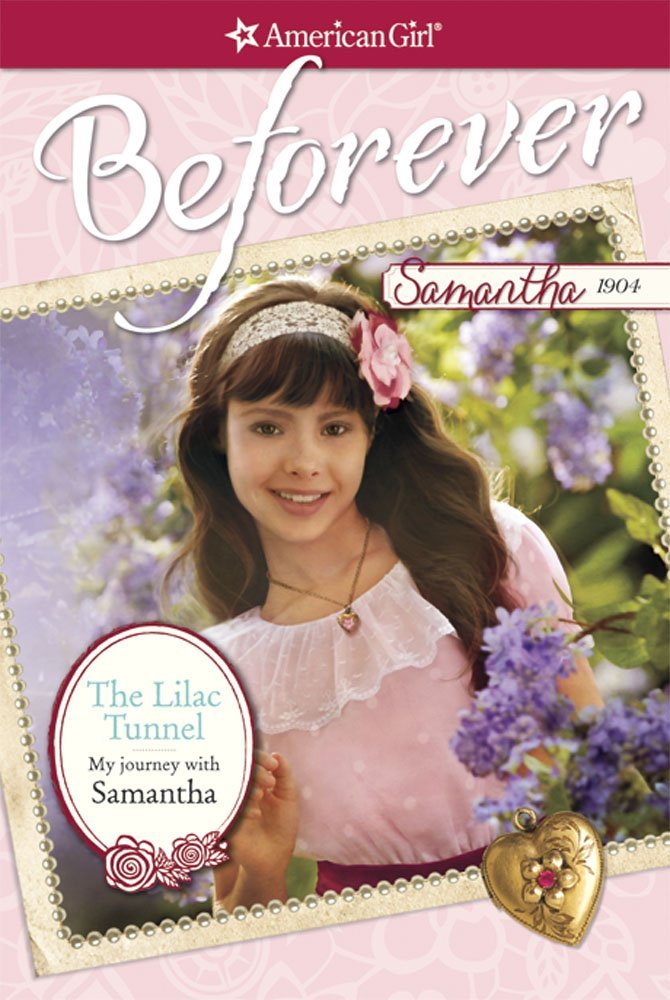
 And the timing couldn’t be more perfect. American Girl just released their 2026 Girl of the Year, Raquel Reyes – and here’s the beautiful connection: Raquel is Samantha Parkington’s great-granddaughter! She comes with a heart-shaped locket just like Samantha’s. It is not supposed to replace Samantha’s but of course it is easy to pretend it is her grandmother’s, passed down to her.

If your family has been following American Girl dolls, you know that Samantha was one of the original three historical dolls when the line launched in 1986. Seeing her legacy continue through Raquel makes this the ideal moment to revisit Samantha’s world and celebrate her story.

Charlotte Mason wrote: “Let children have tales of the imagination, scenes laid in other lands and other times; heroic adventures, hairbreadth escapes, delicious fairy tales, even where it is all impossible, and they know it, and yet they believe.”

That’s exactly what happens when we step into Samantha’s world. We’re transported to 1904, to a time when electricity was a new invention, of proper manners, of high lace collars and lots of velvet and silk. And Valentine’s Day is the perfect excuse to make this journey.

Why Samantha Parkington for Valentine’s Day?

Samantha Parkington was one of the original three American Girl dolls when Pleasant Company launched the line in 1986 (along with Kirsten and Molly). For many of us who grew up with American Girl, Samantha holds a special place in our hearts. Her stories of 1904 opened our eyes to history, fashion, and social justice in ways textbooks never could.

 While I didn’t have the Samantha doll, I had the “me” American Girl Doll of Today (where you got to choose the hair, eye color, etc.) and since my doll has long dark hair and bangs, my daughter seamlessly transforms my doll into Samantha, using some of her outfits. This was the earlier version of the Truly Me doll or the more expensive and more detailed, Create Your Own doll now.

Samantha’s era – the turn of the century, the Edwardian period – was all about elegance, beauty, and refined social graces. Valentine’s Day celebrations then were elaborate affairs with handmade cards, proper tea services, and careful attention to etiquette. 

Setting the Scene

The magic is in the atmosphere. You don’t need to go overboard, but a few Edwardian-inspired touches will transport your children to Samantha’s world.

Pull out your nicest tablecloth (even if it’s just a pretty sheet). Set the table with your good dishes – mismatched vintage teacups from the thrift store work beautifully. Add some lace doilies if you have them. Put fresh flowers in a vase (carnations were popular in the Edwardian era and they’re perfect for Valentine’s Day).

If your girls want to dress up, wonderful! Hair ribbons, lace collars, their fanciest dresses – let them get into character. This is exactly the kind of imaginative play that Charlotte Mason championed.

And speaking of Charlotte Mason, she also wrote: “Poetry is, perhaps, the most searching and intimate of our truth-bearers.” So as we set this beautiful scene, we’re not just playing – we’re creating space for truth and beauty to reach our children’s hearts.

“Poetry is, perhaps, the most searching and intimate of our truth-bearers.”
– Charlotte Mason

The Books

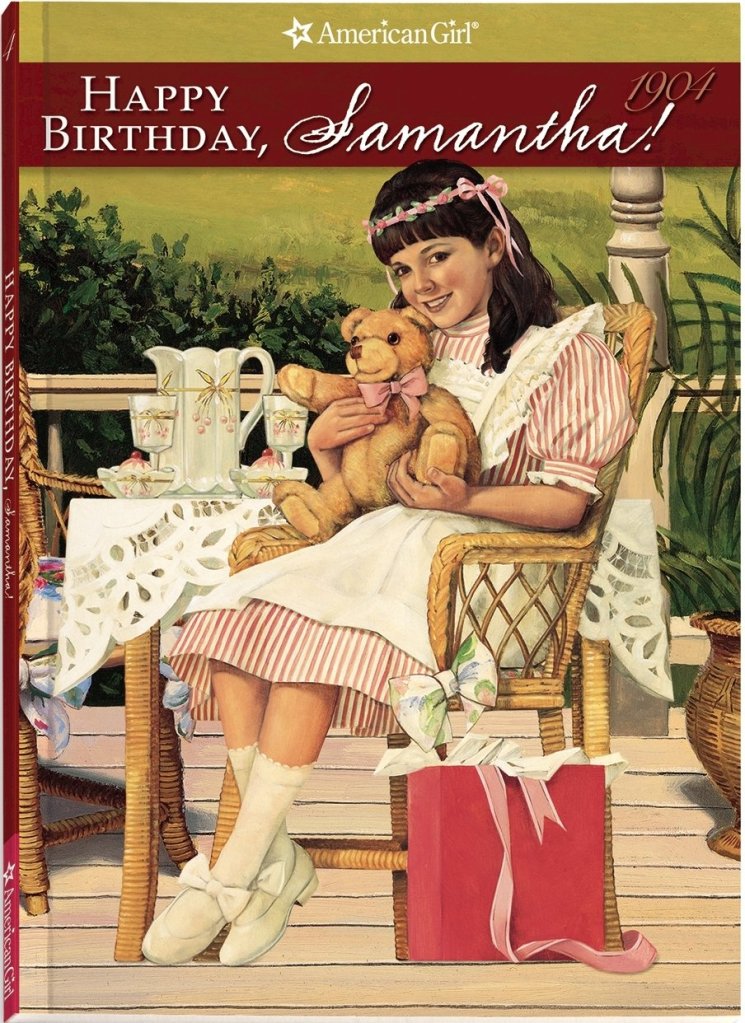
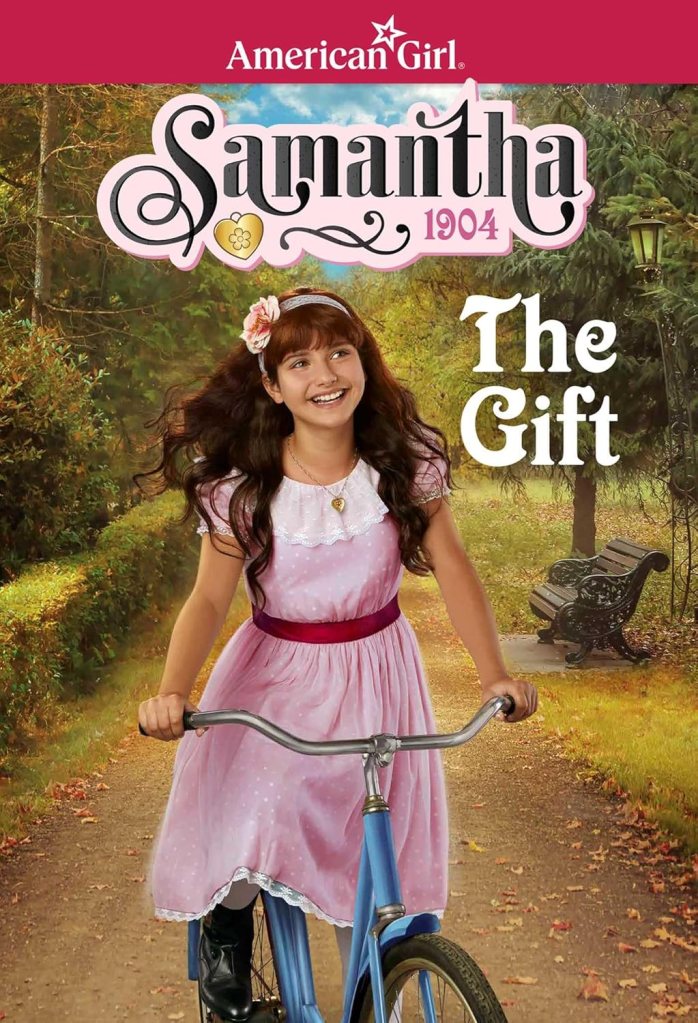
Start by reading (or rereading) the Samantha books. If you’re lucky, your library will carry them, or you can grab them on Amazon.


Reading these ahead of time (or during the week leading up to your tea time) will give your children context for the era and make the whole experience richer. They’ll understand why we’re doing things a certain way, and it gives you conversation starters about the time period.

I prefer the original unabridged versions, but unfortunately many libraries today choose to house the abridged versions.
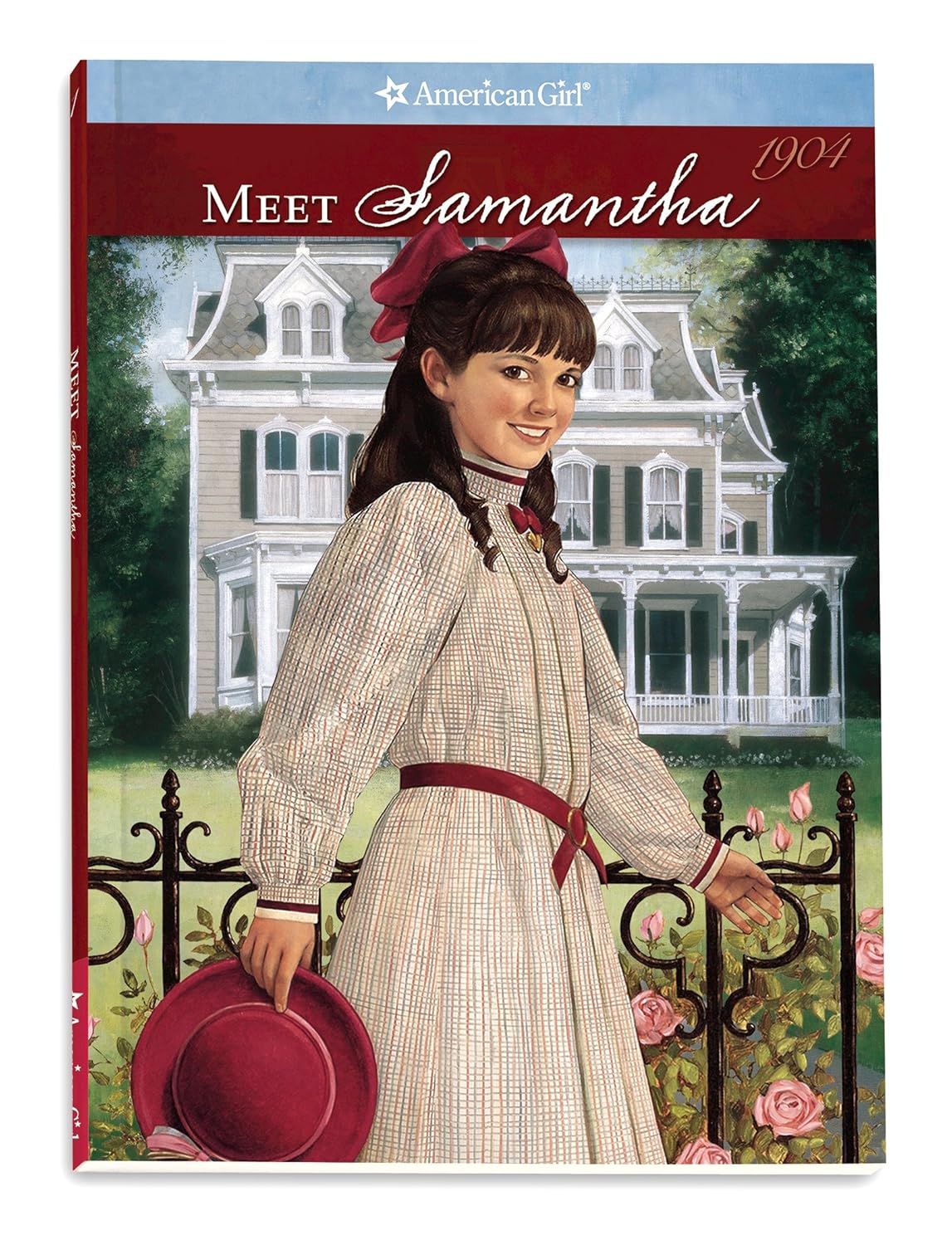
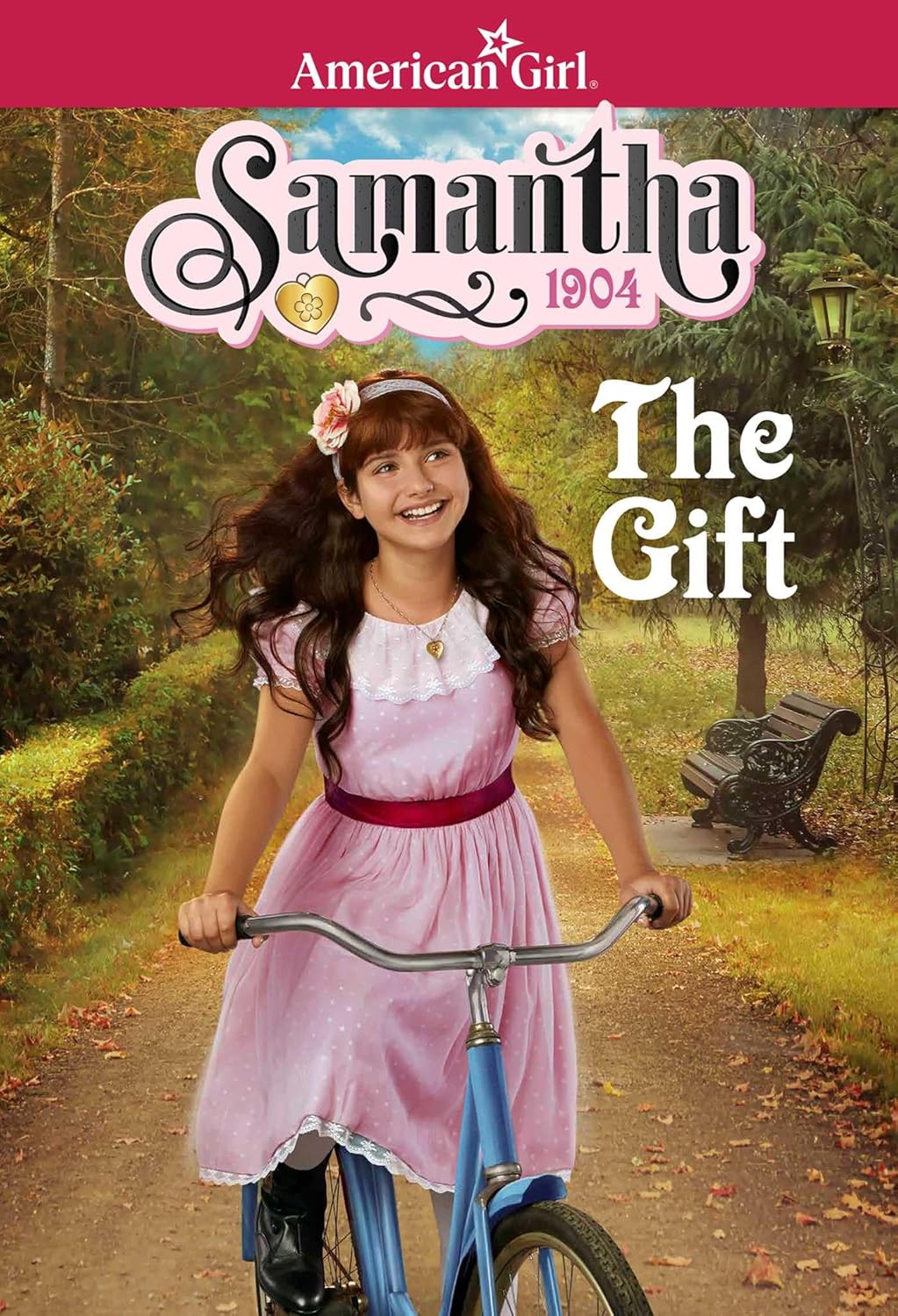
Meet Samantha, the original version and the dumbed down… errr, I mean… abridged version.

The Food

Edwardian tea parties were serious business, but we’re homeschoolers – we can keep it simple while still capturing the spirit.
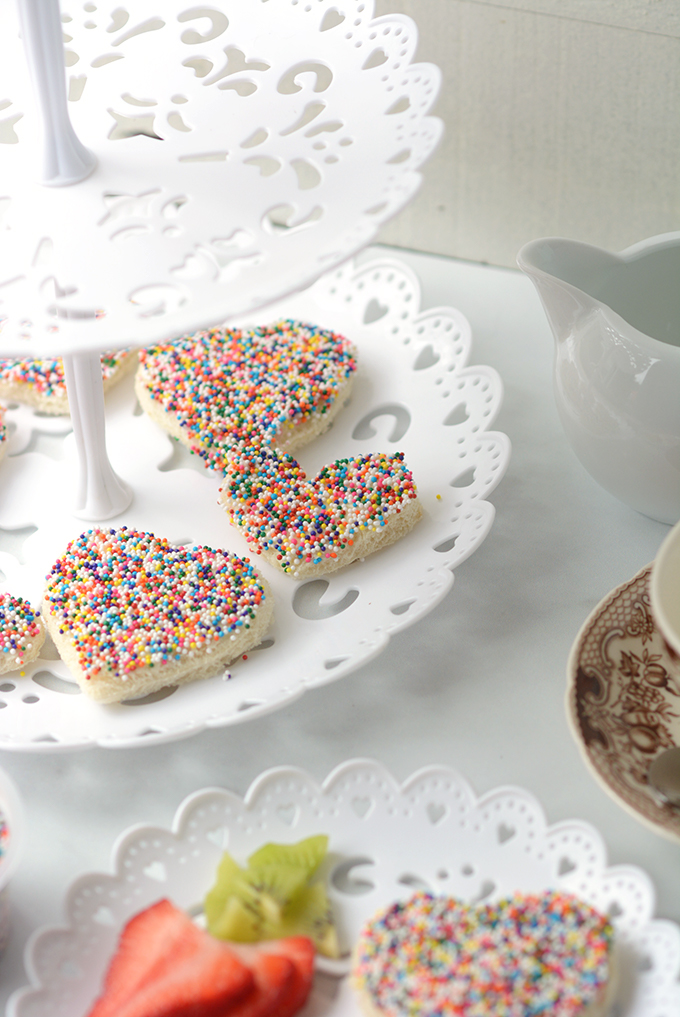
Heart-Shaped Fairy Bread from Simple Seasonal

This is whimsical, easy, and the kids will love making it.

Use heart-shaped cookie cutters on white bread, butter it, and sprinkle with colorful sprinkles. It’s not period-accurate, but it’s festive and fun.

We choose to use sprinkles made with natural dyes due to various reasons, like that it is better for the neurological health of kids. Amazon carries lots of options! So does HEB, Wal-mart, and Natural Candy Store.


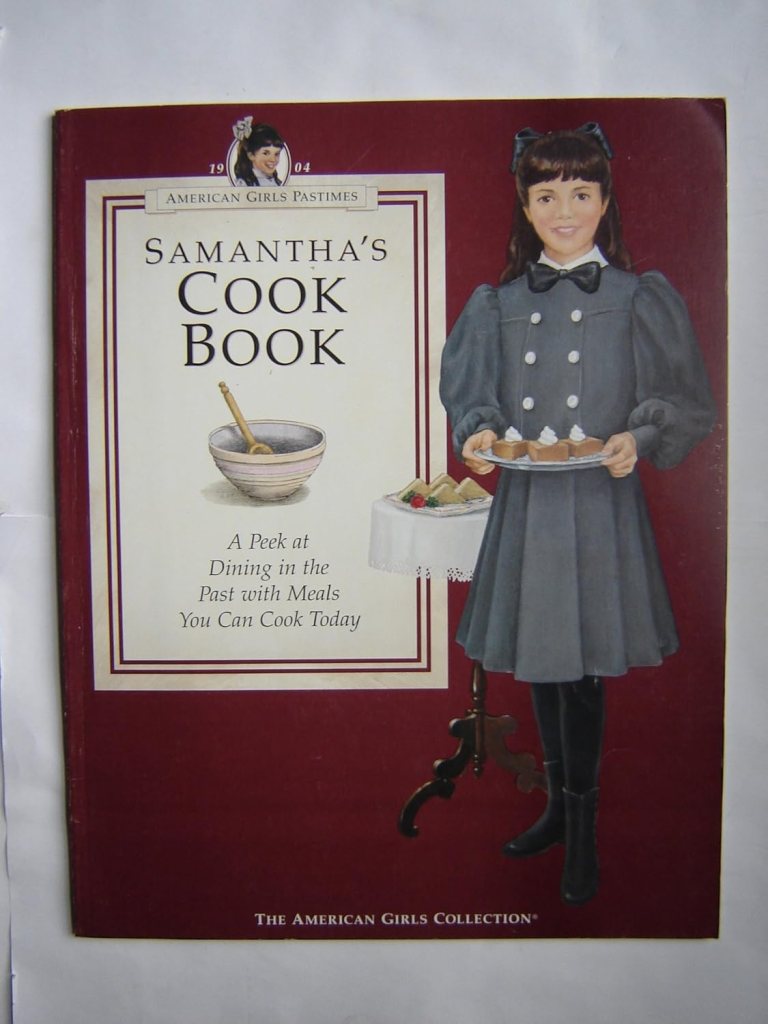
Samantha’s Lemon Ice from Amy at Danridge House Dolls

This recipe comes straight from the American Girl cookbook era and it’s refreshing and sophisticated – and also really easy!
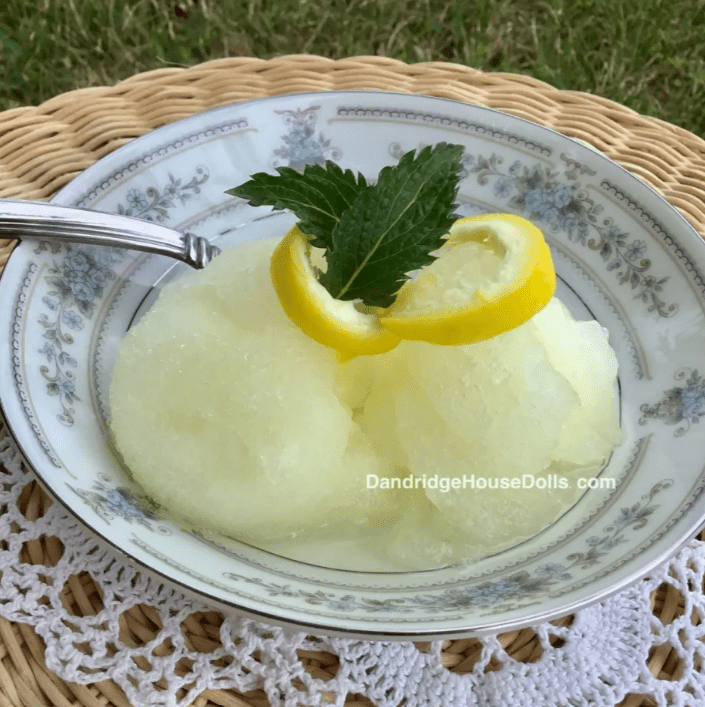
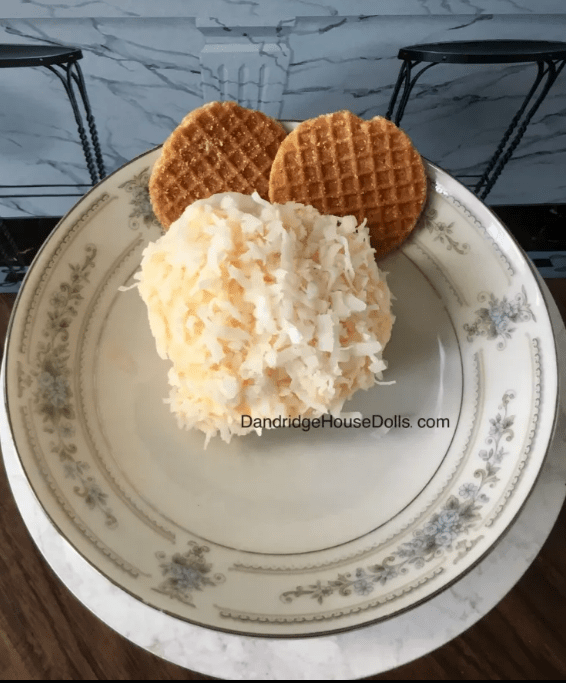
Samantha’s Ice Cream , also from Dandridge House Dolls

These are adorable and impressive-looking but surprisingly simple to make.


Mini Victorian Tea Cakes by Sprinkles by Stacey


Using a mini cake, muffin, or mini donut pan, these tea cakes can be customized to be as simple or as complicated as you want them to be!

This recipe also allows for making doll-sized cakes for your dolls to join in the Poetry Tea Time, too.


 

And, don’t forget the tea, of course!


For older kids, you may want to let them try caffeinated Celestial Seasonings Victorian Earl Grey for a more authentic experience! Or for smaller kids, Celestial Seasonings Wild Berry Zinger is yummy and lightly pink.


The Poetry

This is the heart of poetry tea time, and for Valentine’s Day, we want poems about love, friendship, and beauty.

School with Mom has an excellent collection of Valentine’s Day poems perfect for tea time!

Some of my favorites for this theme:

“Us Two” by A.A. Milne – About friendship between Christopher Robin and Pooh. Simple, sweet, perfect for younger children.

“A Birthday” by Christina Rossetti – Celebrates joy and love through vivid imagery. Rossetti was writing during Samantha’s era, so this is period-appropriate!

“The Rose Family” by Robert Frost – A delightful poem about how different flowers are related, just like families.

Don’t feel like you need to analyze these poems to bits for them to be effective. Charlotte Mason was very clear that poetry should be enjoyed, not studied for parts.

Read them aloud with expression. Let them sink in. That’s where the beauty lies and where they weave into memories in our minds.

Charlotte Mason wrote: “We see, too, that the magic of poetry makes knowledge vital, and children and grown-ups quote a verse which shall add blackness to the ashbud, tender wonder to that ‘flower in the crannied wall,’ a thrill to the song of the lark.”

That’s what we’re after – not perfect recitation, memorization by force, or deep analysis absent of the curiosity that should drive it, but that moment when a line of poetry lodges itself in your child’s heart and becomes part of how they see the world.


The Activities

After tea and poetry, extend the celebration with some hands-on activities that connect to Samantha’s world.

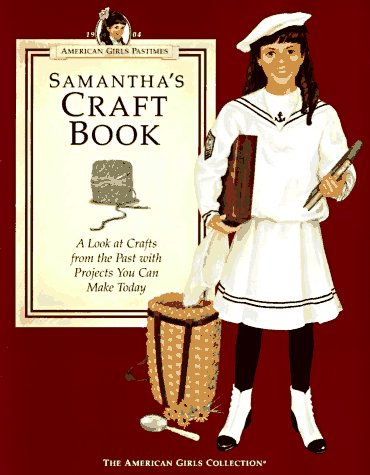
Make Victorian Valentines – In the early 1900s, handmade valentines were elaborate works of art with lace, ribbons, and handwritten verses. Learn about Victorian valentine traditions and the kit American Girl used to offer as part of Samantha’s collection.

Use these free vintage images from The Graphics Fairy to create beautiful cards to give to friends and grandparents. This combines art, history, and the joy of giving – all Charlotte Mason values.

Play with Samantha Paper Dolls – Paper dolls were hugely popular in the early 1900s. You can find beautiful Samantha paper dolls on Etsy or grab a set on Amazon of Samantha’s paper dolls from American Girl.

This isn’t just play – it’s practicing fine motor skills, learning about historical fashion, and engaging imagination. Plus, it’s quietly absorbing information about what life was like in 1904.
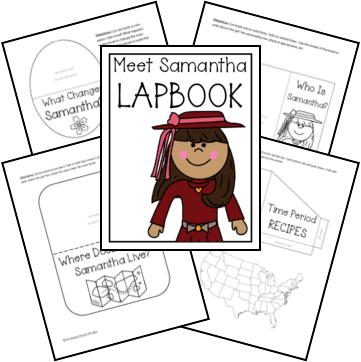
Create a Lapbook – The Homeschool Share has a wonderful free Meet Samantha lapbook that lets kids document what they’re learning about the era in a hands-on way.


Going Deeper: Unit Study Resources

If this poetry tea time sparks a bigger interest in Samantha’s world, here are some resources to extend the learning:

Fields of Daisies has a gorgeous Samantha Turn of the Century Unit Study that covers history, literature, art, and more. It covers everything you can think of! She even has lesson plans that could last you weeks!

The Samantha American Girl doll herself can become a living history lesson. There is also a new cloth doll version of Samantha for younger girls.

Having her present during read-alouds, tea times, and history lessons makes the era come alive. And with the new Raquel doll connecting to Samantha’s legacy, it’s the perfect time to invest in your Samantha doll and explore her world together, find a used one online, or share it with your daughter, if you’re lucky enough to have an original one!
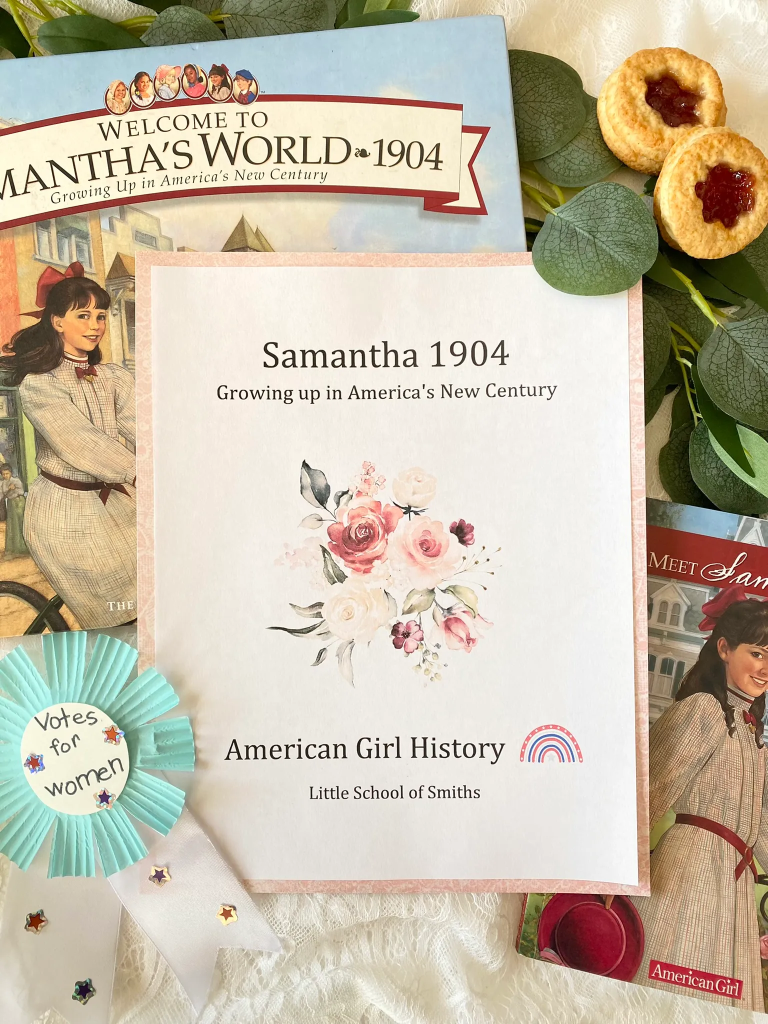
For a more comprehensive study, Little School of Smiths offers an American Girl History unit on Samantha covering 1904 in depth. It does cost $10 but looks fantastic!

There is also Samantha: An American Girl Holiday the movie on Amazon Prime Video! While it is Christmas themed and not Valentine’s Day, but it lets kids explore the clothing and style of the era in a tactile, visual way.


Why This Matters

I know some people might think this is elaborate or unnecessary. Can’t we just memorize poem, check it off, and move on? Sure, we could.

But here’s the thing – we’re not just teaching facts and dates. We’re cultivating souls.

We’re creating an atmosphere where beauty matters, where history comes alive, where poetry isn’t something you endure but something that delights.

A.A. Milne (yes, the Winnie the Pooh author whose poetry we might read at this tea time) wrote: “Poetry and Hums aren’t things which you get, they’re things which get you. And all you can do is go where they can find you.”

That’s what we’re doing with this Valentine’s Day poetry tea time. We’re putting our children in a place where poetry can find them. Where beauty can surprise them. Where they can step into another time and place and come back changed.

When we set a beautiful table, serve special treats, read lovely words, and create handmade valentines together, we’re not being frivolous. We’re building memories.

We’re showing our children that these things – beauty, poetry, celebration, friendship – matter.

We are also showing them that they matter to us enough for us to go to an effort to give them a special day.

Years from now, your children might not remember every math lesson or grammar rule. But they’ll remember that February morning when you all dressed up, drank tea from fancy cups, listened to poetry, and made valentines together.

They’ll remember that learning can be beautiful. That history isn’t just dates in a textbook but real people with real lives who loved and laughed and wore pretty dresses and fought for what they believed in.

They’ll remember that their mother thought poetry mattered enough to slow down and create space for it.


Making It Your Own

Here’s the beautiful thing about this plan – you can adapt it to your family.

Maybe your kids are too young for all the historical depth, so you focus on the tea party and simple poems. Maybe they’re older and want to dig deep into the Progressive Era and women’s suffrage. Maybe you have boys who think princess dolls are boring, so you pivot to talking about what boys were doing in 1904 or what new inventions were changing the world! Ice cream cones were invented in 1904! What is more exciting than that?!

The framework is here: beautiful setting, good food, lovely poetry, hands-on activities, historical connection. But the details? Those are yours to shape.

Maybe you don’t do the full tea party but just read one poem over breakfast. Maybe you skip the recipes and buy bakery treats. Maybe you focus entirely on making valentines and save the deeper historical study for another day.

All of that is perfect. The goal isn’t Instagram-worthy perfection. The goal is creating space for beauty, wonder, and connection in your homeschool day.

And if your kids are more into modern comfort than Edwardian elegance, check out my guide to Squishmallow Valentine’s Day ideas and free printables – because homeschool joy looks different in every family!


The Magic of Slowing Down

In our rushed, overscheduled world, poetry tea time is an act of rebellion.

We’re saying no to hurry and yes to lingering. We’re choosing beauty over efficiency. We’re making room for things that can’t be measured or tested but that feed our souls anyway.

And on Valentine’s Day – a holiday that’s become so commercialized where we slap a card on it and call it a day – we’re reclaiming it for something deeper. Not just candy and cards (though those are fine, too), but genuine connection. Time together. Shared experiences. Love expressed through attention and presence.

That’s what Samantha would have understood. In her world, relationships mattered. Courtesy mattered. Taking time to do things properly mattered. And while we don’t want to romanticize everything about the early 1900s (there was plenty wrong going on in that era, too), we can still learn from the intentionality, the emphasis on beauty, and the value placed on human connection.

So this February, slow down. Set a beautiful table. Pour the tea. Read the poetry. Make the valentines. Step into Samantha’s world for an afternoon and see what happens.

I’m willing to bet it will be magical.


Christmas, Holidays, homeschooling, joy, parenting, Schedules, travel

How to Restart Homeschool After Christmas Break (Or Any Break): 4 Proven Strategies That Actually Work

Links in any posts may be affiliate links.

We generally homeschool through the year (see this blog) in order to avoid the slog back up the hill of stopping and then starting again. We find it easier to ease up a bit at different times of the year rather than completely stopping and then starting again.

As strange as that sounds, it is actually easier to do! Like leaving a car engine on idle and running the radio on fun music rather than turning the whole car off and reigniting the engine!

One exception to this is Christmas! At least a week before Christmas, sometimes two, that’s just it… We have too many Christmas parties to go to, too many gifts to wrap (and the schoolroom has become Official Elf Headquarters and is off limits to kids, anyway!), and too many fun things to do! Not that school isn’t fun, but math stops being able to compute when everyone is excited for Santa to come. I see that eyebrow raise – Don’t judge me, lol. We use the idiom of Santa to mean anonymous Christmas giving and always give adults in the family stocking from Santa (meaning gifts from all the family with silly tags), too.

At any rate, there’s always a natural spot in the Christmas getting-ready-days that just calls us to a halt and that’s okay!

It’s Not Just About Christmas: Common Reasons for Homeschool Breaks

There may be another reason besides Christmas you’ve had to stop. Maybe another holiday, a vacation, illness, business travel that you had to bring the kids, or just a general slowdown of the machine that you need to get revvin’ again!

The reason doesn’t matter. What matters is that you took the break you needed, and now you’re wondering how to restart your homeschool routine without feeling like you’re starting from scratch or dragging everyone kicking and screaming back to the table.

Whether you’re restarting homeschool after Christmas, recovering from a family illness, returning from an extended vacation, or simply getting your homeschool momentum back after a busy season, these strategies will help you transition smoothly.

The Homeschool Restart Challenge: Why Getting Back to School Feels So Hard

Let’s talk about why restarting homeschool after a break feels so difficult. During your time off, everyone has:

  • Gotten used to a different rhythm and routine
  • Discovered new interests and hobbies
  • Enjoyed the freedom of unstructured time
  • Maybe stayed up later and slept in longer
  • Gotten accustomed to saying “not today” to structured learning

And you, dear homeschool parent, have probably enjoyed not having to have Teacher Mode activated “on” every single day. You’ve had time to read that book, finish those projects, or simply get things done around the house without thinking about lesson plans.

So when it’s time to restart, there’s a natural resistance – from everyone, including you! My goal here is to help getting started again to not only be more fun for your kids but less of a hassle for you, too!

4 Tried and True Ways to Get Homeschool Happening Again

No matter what the reason for your homeschool break, here are four tried and true ways to get Things Happening again!

1. Set a Day (And Let Your Kids Have Input on When to Start)

Ask your kids when they’d like to get started. I’ll bet they actually do want to start up again, mine always have, but may appreciate getting to give their input and also have a little warning on when to start. That can make things run more smoothly!

Don’t just spring it on them the night before. Give at least 3-4 days of mental preparation time. Mark it on the calendar together so everyone can mentally prepare and talk about what they’re looking forward to learning.

This gives everyone a chance to adjust their expectations and wind down any break activities. You might even let them choose which subject they’d like to start with or what time of day feels right to begin.

2. Do Something Fun First! Play IS Serious Learning

You as the parent aren’t necessarily super excited to explain math equations again after the break, either. You get it, too. How about mixing it up with a fun science kit that’s been hiding out in the closet for a few months?

“Play is often talked about as if it were a relief from serious learning. But for children, play is serious learning. Play is really the work of childhood.” -Fred Rogers

This quote from Mr. Rogers himself reminds us of something crucial: when we start homeschool after a break with something playful and hands-on, we’re not “wasting time” or “avoiding real work.” We’re actually engaging in the most natural and effective form of learning for children.

So don’t feel guilty about pulling out those fun science kits or art projects. You’re not procrastinating – you’re teaching! I promise! Starting with play-based learning helps ease everyone back into the homeschool mindset without the pressure and resistance that can come with jumping straight into worksheets and textbooks.

Here are some ideas for fun homeschool restart activities:

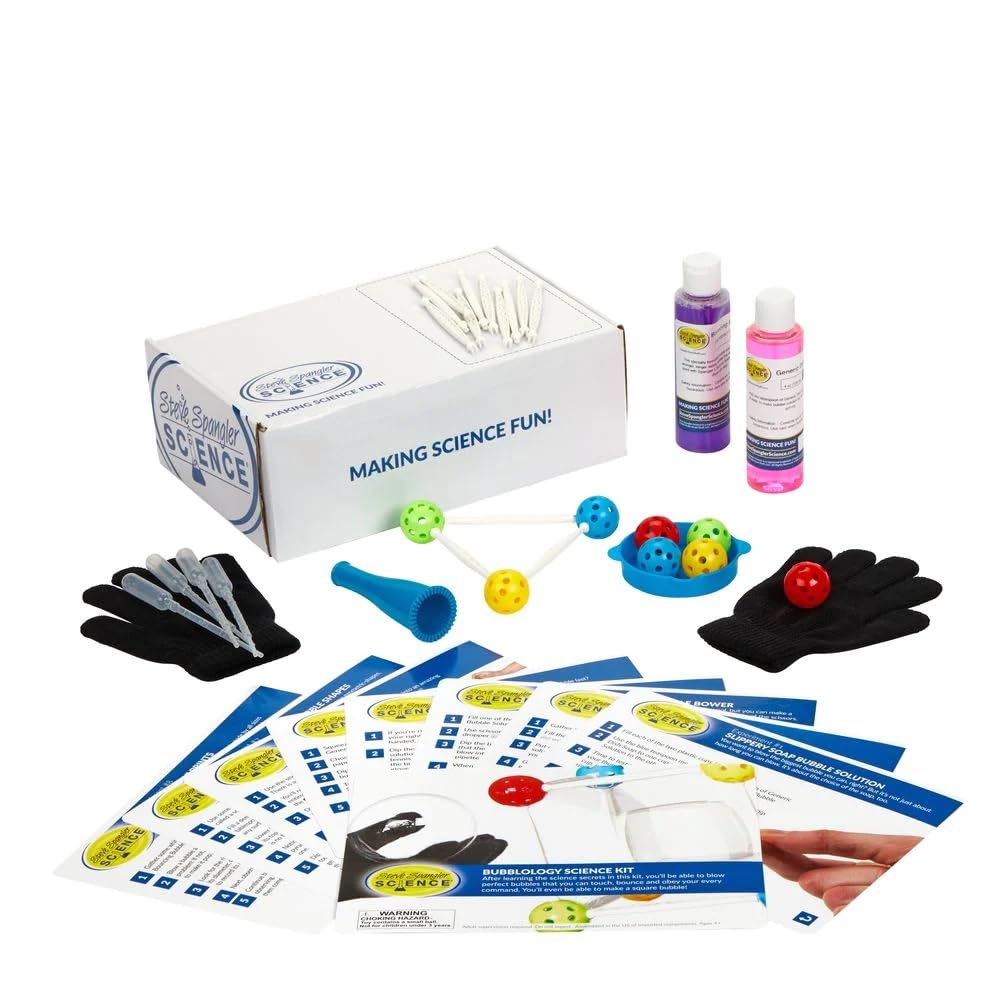
Square Bubble Kit – My kids loved making square bubbles! This naturally leads into discussions about surface tension, geometry, and why bubbles are typically round. It’s hands-on, visual, and gets everyone excited about science again without feeling like “school.”


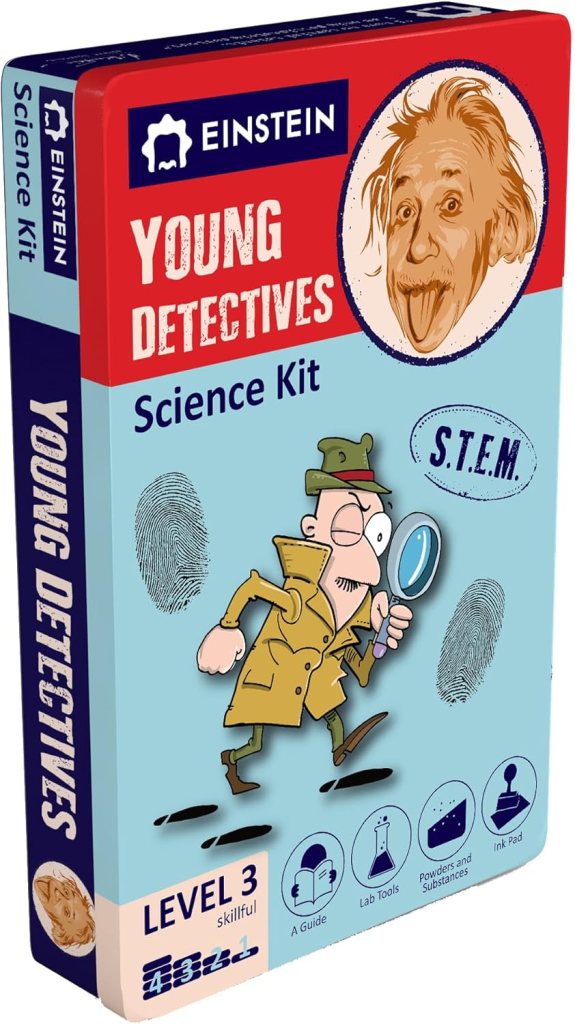
Detective Science Kit – Who wouldn’t want to use a fingerprinting and detective kit for schooltime?! And,it is certainly full of powerful learning opportunities!

This can be added to a unit study of Sherlock stories! Depending on your kids’ ages, Jim Weiss has Sherlock stories for kids on Audible or CD that don’t have anything too scary! Combine the detective kit with the audiobook, and suddenly you have an integrated unit study covering science, literature, logic, and critical thinking – all through play and investigation.


Snap Circuits – Snap Circuit kits never disappoint! We have too many of these but they are all super fun. They’re perfect for visual and kinesthetic learners, and they make electricity and circuits tangible. Even older kids who think they’re “too old” for kits get pulled into building increasingly complex projects. They are as complex or as simple as you want them to be!


Crystal Growing Kits – We did the mermaid kit instead of this hedgehog one but really need one… Magic mermaid crystals in rainbow colors? Yes, please! The patience required to watch crystals grow also teaches delayed gratification and scientific observation skills – serious learning disguised as magical fun.


Other fun first-day-back ideas that embrace playful learning:

  • Start a new read-aloud book that you’ve been intending to start
  • Take a nature walk and start a nature journal
  • Do an art project together using new supplies
  • Watch an educational documentary with popcorn
  • Have a family game day with strategy games
  • Build something together – Legos, Magna-Tiles, or cardboard creations

The goal is to remind everyone that learning is inherently interesting and enjoyable.

Once you’ve rekindled that spark through play and hands-on exploration, transitioning back to regular subjects feels less like a chore and more like a natural continuation of that curiosity.

3. Ease Into It (You Don’t Need to Do Everything on Day One)

Don’t think you have to do every subject with every kid on the day you’ve decided is Back to School Day. Only two subjects but back in the ring again? I’d call that a win!

Here’s your permission slip: You don’t have to do every subject with every kid on your first day back to homeschool.

Seriously. Give yourself grace here when restarting your homeschool routine.

What easing back into homeschool might look like:

  • Day 1: Just do math and reading – that’s it!
  • Day 2: Add in one more subject, maybe science.
  • Day 3: Add another subject like history.
  • Day 4: Include writing or language arts.
  • By Day 5: Tada! You’re back to your full homeschool schedule!

Consider starting with favorite subjects first. If your youngest loves science but dreads grammar, start the week with the thing he or she loves. Build positive momentum and enthusiasm before tackling the harder subjects that require more mental energy.

Shorter lessons are perfectly okay too. Maybe you typically do 45-minute homeschool lessons. For the first week back after your break, try 20-30 minutes. Quality over quantity, especially when you’re rebuilding homeschool habits and routines. It’s okay to start slow and get back into the groove.

You are the ruler of this homeschool planet that you’ve created.

You make the rules; if you want rules! No feeling guilty allowed!

Remember: homeschooling is a marathon, not a sprint. The tortoise always wins, and consistency (even imperfect consistency) beats intensity every time. If feel like you’re behind where your goals are for your homeschool, you’re going to catch up if you stick with it.

4. Try Something New (Make This Restart Feel Fresh)

Any Christmas presents that can “present” a new challenge? Did your child receive a new art kit or perhaps a new musical instrument? We got our son a lap harp one year – we got him new sheet music, everything from The Beatles to Beethoven! Explore a new skill and incorporate that into your school day.

New tools and materials can reignite homeschool excitement:

When you add something new to your homeschool routine after a break, it signals to everyone that this isn’t just “back to the same old thing.” It’s a fresh start with new possibilities.

  • A new art kit can launch an art appreciation unit study
  • A new musical instrument can become part of your daily homeschool rhythm
  • A new building set can tie into engineering, architecture, or physics lessons
  • A new craft kit can connect to history or cultural studies you’re covering
  • A new board game can teach strategy, math, probability, or history

Explore a new skill together and make it part of your homeschool day. This serves multiple purposes when restarting after a break:

  1. It gives kids something fresh and exciting to look forward to
  2. It counts as legitimate learning (especially if you can tie it to standards you’re covering)
  3. It breaks up the routine in a positive way after time off
  4. It respects their growing interests and autonomy
  5. It creates positive associations with “going back to school”

The key is making your homeschool restart feel dynamic and exciting rather than stagnant and repetitive. When kids have something new to look forward to, the transition back to learning feels less like a chore and more like an adventure.

Additional Tips for a Smooth Homeschool Restart After Your Break

Review and Refresh Before Moving Forward

One mistake I see homeschool parents make after a break is trying to pick up exactly where they left off, as if no time has passed. But brains need a little warm-up after time away from structured learning!

Spend a day or two reviewing what you covered before the break. This serves multiple purposes for restarting homeschool:

  • It refreshes everyone’s memory and helps prevent frustration
  • It identifies any gaps in understanding that need addressing
  • It builds confidence (“Oh yeah, I remember this!” vs “Remember this now!”)
  • It makes the transition smoother into new material
  • It helps you assess where each child truly is after the break

Think of it like stretching before exercise. You wouldn’t jump straight into a sprint without warming up your muscles first! The same goes for academic muscles after a homeschool break.

Reset Your Homeschool Environment

If your homeschool space got taken over during the break (hello, Christmas Elf Gift Wrapping Headquarters taking up residence in the school room!), take time to reset it before diving back in.

Create a fresh homeschool environment:

  • Clear away holiday decorations or break clutter
  • Restock supplies that ran low before the break
  • Reorganize materials so everything’s easy to find
  • Maybe add something new to freshen up the space – new posters, a plant, rearranged furniture
  • Create a “fresh start” feeling that signals it’s time to get back to learning

A clean, organized homeschool space signals to everyone’s brains that it’s time to get back to business. It also eliminates the frustration of searching for materials or working in a cluttered environment during those crucial first days back.

Adjust Your Homeschool Schedule If Needed

Your pre-break homeschool schedule might not work anymore. Maybe you discovered during the break that your kids are more alert in the afternoon. Maybe your toddler needed a nap at the same time each afternoon. Maybe you realized you were trying to do too many subjects or extracurriculars and need to drop one for now. Or there is an extracurricular no one really liked and you need to stop! No shame in that!

Use the restart as an opportunity to optimize your homeschool routine. Don’t just default back to what you were doing before if it wasn’t working well. This is the perfect time to implement changes you’ve been considering.

Build in Regular Breaks Moving Forward

One reason breaks are so hard when homeschooling is that we make them too rare and then try to cram too much into our “on” times. Consider building smaller, regular breaks into your homeschool year:

  • A long weekend every month for family time
  • Light weeks around holidays to reduce stress
  • Simplified homeschool schedules during particularly busy seasons
  • Regular “catch up” or “free exploration” days built into your routine
  • Seasonal breaks that give everyone time to recharge

This prevents burnout and makes major breaks less disruptive because you’re already practicing the skill of stopping and starting. Your homeschool becomes more sustainable long-term.

When Restarting Homeschool Feels Impossible

Sometimes the resistance to restarting homeschool is more than just post-break sluggishness. If you’re experiencing major pushback from your kids or feeling overwhelmed yourself, consider:

  • Whether your homeschool curriculum is actually a good fit for your family’s learning styles
  • If you’re trying to do too much and need to simplify
  • Whether your kids need more autonomy and choice in their learning
  • If underlying issues (learning challenges, social interaction needs – either too much or too little, family stress) need addressing first
  • Whether you need to have a bigger conversation about homeschooling goals and approach
  • If burnout is setting in and you need more support

Don’t hesitate to make bigger changes if something isn’t working. Homeschooling’s greatest strength is its flexibility – use it! Sometimes a homeschool restart is the perfect opportunity to pivot and try something completely different.

Can’t put your finger on where to fix things? Schedule a session with me and we will work it out together!

The Bottom Line on Restarting Homeschool After a Break

Restarting homeschool after a break doesn’t have to be miserable. With a little planning, some grace for everyone involved, and a willingness to ease back in rather than diving headfirst, you can make the transition smooth and even enjoyable.

Remember the four key strategies:

  • Set a day with your kids’ input so everyone feels prepared
  • Do something fun to rebuild enthusiasm – remember, play IS serious learning
  • Ease into it with reduced schedules or fewer subjects at first
  • Try something new to keep things fresh and exciting

Most importantly, remember why you chose homeschooling in the first place. You have the freedom to make it work for your family, including taking breaks when you need them and restarting on your own terms. You don’t have to follow anyone else’s timeline or expectations.

Now go forth and restart your homeschool with confidence! You’ve got this. And if the first day back is chaotic? That’s okay too. Tomorrow is a new day, and progress is still progress, no matter how small.

What strategies have helped your family restart homeschool after a break? Share in the comments!

Christmas, Holidays, homeschooling, joy

When Pinterest Fails: Teaching Kids the Art of the Pivot

You know that feeling when you’re scrolling through Pinterest, and you see a recipe that screams “EASY!” in all caps? The one with the perfect photo where adorable chocolate pinecones look like they were foraged from a magical forest by Christmas fairies in sparkly outfits? Yeah, I fell for it over the Christmas break.

Our Narnia-themed Christmas dinner needed something special, and these Oreo truffle pinecones seemed like the answer. The recipe looked straightforward: crush Oreos, mix with cream cheese to make truffles, press on Frosted Flakes for “scales,” dip in chocolate.

Easy, right?

Several of the recipe blogs even said the word “easy” multiple times, which should have been my first red flag…

When the Kids Gasped at the Frosted Flakes

I don’t typically ever buy sugary cereals, so when I brought home the Frosted Flakes, my kids actually gasped. This was already feeling like an event. We had our ingredients lined up, our Narnia soundtrack playing, and visions of Pinterest-perfect pinecones dancing in our heads.

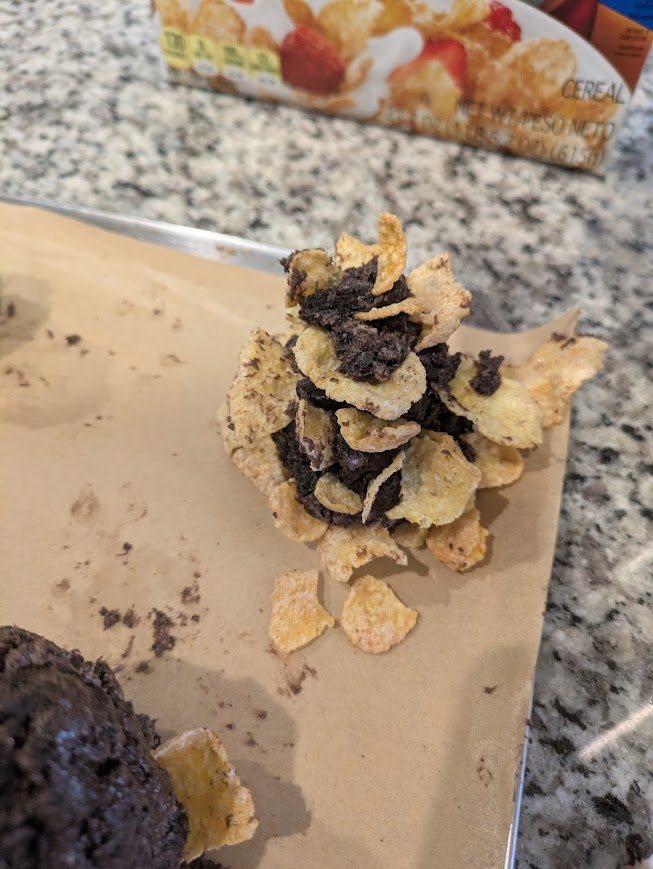
Fast forward thirty minutes: our kitchen looked like page out of a Curious George book and our “pinecones” looked… well, let’s just say they looked more like something you’d find after a squirrel’s particularly chaotic day than something you’d serve at a dinner party.

Nothing would stick! This is one of the “better” ones just to illustrate. Not kidding!

We did get some actual LOLs out of it!

The Pivot Moment

We had planned this whole dinner with Narnia themed things. We’d gotten Turkish delight from actual Turkey. We’d found a Turkish delight hot cocoa recipe and had cleaned pink rose petals from our front flowerbed waiting. We were making Mr. Beaver’s Roasted Trout that I found on another blog, from the familiar scene in the book.

When things like this happen, your kids are watching you. Are you going to let the completely unrescuable recipe ruin your afternoon? Are you going to cry? Whine to yourself? Waste the food?

Instead of being sad, we looked at our chocolate-covered chaos and did something better: we pivoted.

There’s nothing wrong with squished Oreos and cream cheese, right? (Actually these were HEB brand Twisters instead of Oreos – I think they are actually better and don’t have artificial flavors like the “real” ones do.)

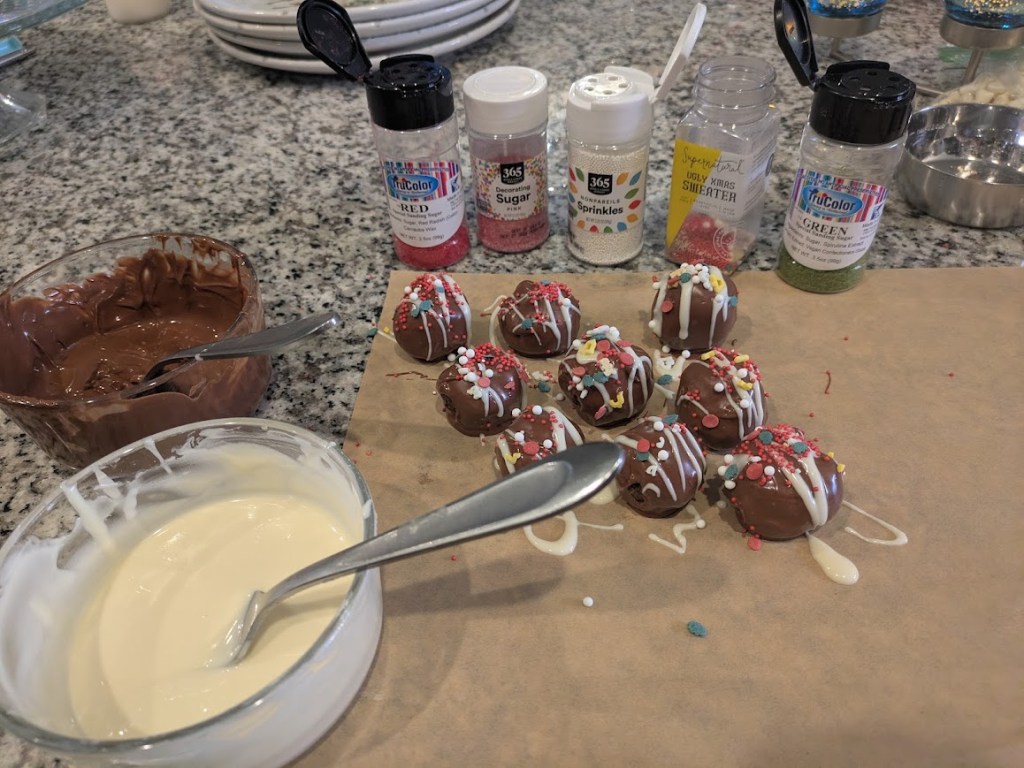
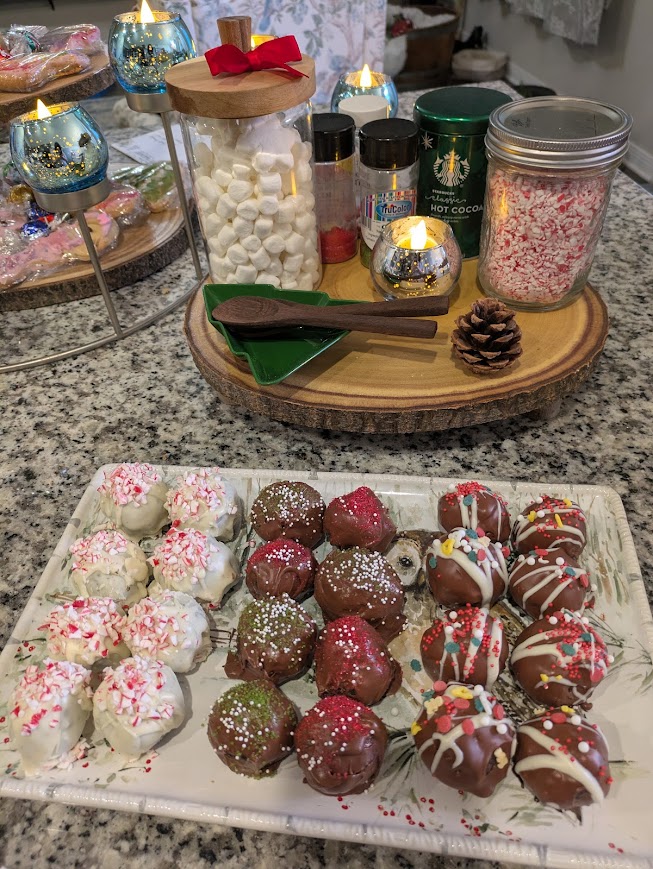
Anyway.. Winning was in sight! We had melted white and milk chocolate. We had sprinkles of all Christmassy kinds!

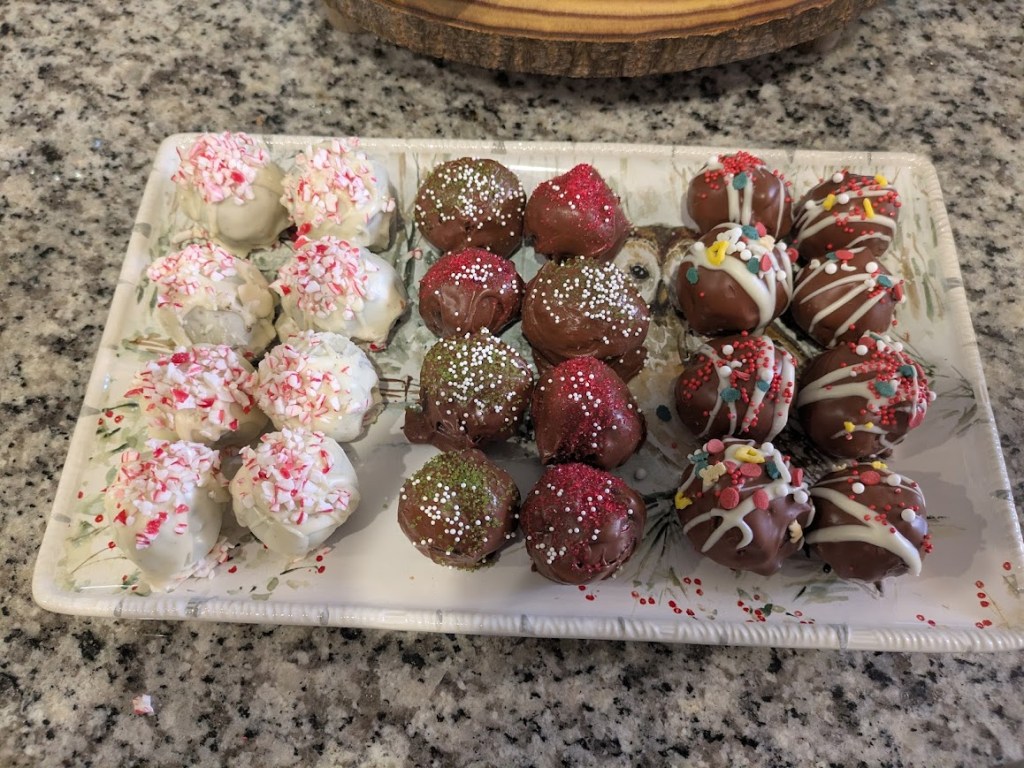
So, we simply scraped off the Frosted Flakes, re-rolled our truffles, added some festive sprinkles, and suddenly we had a dessert that was actually delicious, if not particularly Narnia-esque.

And those Frosted Flakes? Well, the birds in our backyard are going to be having their own Christmas feast, thank you very much. I didn’t want my kids eating processed corn with sugar on it, anyway.

My daughter suggested we make a blog about it so here we are!

What My Kids Actually Learned

This wasn’t just about making dessert – it was about showing my kids that:

Plans don’t always work out, and that’s okay. Sometimes the recipe fudges the truth a little… see what I did there… Sometimes the photo is staged or even AI generated. Sometimes Frosted Flakes just don’t stick to chocolate the way Pinterest promised they would. Albeit on multiple recipe pages!

Failure isn’t the end of the story. It’s just a way to reevaluate. Our pinecones didn’t work, but we still had perfectly good ingredients and a kitchen full of creativity. We also made memories of silliness.

Pivoting is a superpower. The ability to look at a situation, acknowledge it’s not working, and ask “what can we do instead?” is one of the most valuable skills we can teach our kids. It’s not giving up – it’s adapting.

Sometimes the pivot is better than the plan. Our simple sprinkled truffles were actually easier to eat and tasted better than fussy pinecones would have. And watching the birds have Christmas over the Frosted Flakes will become its own entertainment.

The Real Pinterest Win

My kids saw me laugh at the mess, problem-solve on the fly, and turn a fail into something that worked. They learned that being flexible matters more than being perfect. And honestly? That’s a better lesson than any Pinterest-perfect pinecone could ever teach.

So here’s to the Pinterest fails, the kitchen disasters, and all the times when “easy” recipes prove to be anything but. Here’s to teaching our kids that the real magic isn’t in getting it right the first time—it’s in what you do when things go sideways.

And if you need me, I’ll be outside watching very enthusiastic birds enjoying what might be the most expensive bird feed I’ve ever provided.

What’s your best Pinterest fail story? How did you pivot?