Here in Texas, we’re holding out at 65-70 degrees right now. But I know what’s coming. In just a few short days, we’ll be shivering at 20 degrees. Quite the temperature swing for fellow Texans who go jogging or dog walking in full ski jackets and think 50 is practically the Arctic!
With a massive winter storm bearing down on much of the US, I know parents everywhere are scrambling to figure out how to keep kids entertained indoors.
Sure, the internet is bursting with winter activity ideas on other blogs – but so many of them require either a shopping trip (not happening in this weather) or buying special supplies that won’t arrive in time.
And let’s be honest, not everyone has room in the budget for that right now. I know I don’t!
I wanted to pull together something different: winter activities that are completely screen-free, use materials you already have around the house, and work for a range of ages.
No errands required. No special purchases needed. Just creative fun with what’s already in your cupboards and closets.
Here are five ideas that will keep your crew busy while the wind howls outside!
1. Magic Salt and Watercolor Snowflakes
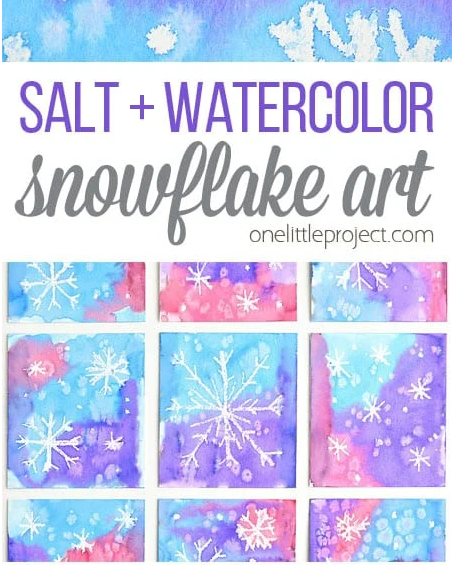
This is one of those activities that sounds almost too simple to be impressive – until you see the results. My kids were absolutely mesmerized by how beautiful these turned out!
Here’s what you do: Use plain white glue to draw snowflake outlines on paper or cardstock. As a homeschool mom, I have an entire gallon of glue stashed somewhere from our slime-making phase (don’t we all?), but a regular bottle works perfectly fine, too.
After you’ve drawn whatever snowflake shapes strike your fancy, sprinkle salt on top and let it completely dry.
Regular table salt works just fine, but if you happen to have a salt grinder with chunkier salt, that adds some really nice dimension and texture.
Once it’s dry, break out the watercolors. The salt absorbs the paint in this magical way that creates these gorgeous, crystalline effects. It looks surprisingly sophisticated—like something you’d see in an art gallery rather than taped to your fridge.
For more detailed directions, check out the beautiful tutorial from One Little Project, complete with a video on how to do it!
2. Free Winter Poetry Collection Printable
Homeschool Compass never disappoints with their resources, and this one is no exception. We have made so many happy memories because of this site!!
As an English major, I can’t resist the classics included here – poems that I feel my kids absolutely must know, or at least have read.
These are the kinds of verses that stay with you, the ones that turn winter from just cold weather into something worth noticing.
Inside this beautiful printable, you’ll find such classics as:
Stopping By Woods on a Snowy Evening by Robert Frost
In the Bleak Midwinter by Christina Rossetti
The Snow-Storm by Ralph Waldo Emerson
Coasting Down the Hill by Anonymous
Winter-Time by Robert Louis Stevenson
The More It Snows by A. A. Milne
Woods in Winter by Henry Wadsworth Longfellow
Birches by Robert Frost
Snow by Walter de la Mare
Spellbound by Emily Brontë
A Winter Night by Sara Teasdale
The First Snowfall by James Russell Lowell
White Fields by James Stephens
Snowflakes by Henry Wadsworth Longfellow
The Shortest Month by Adeline Whitney
Picture Books in Winter by Robert Louis Stevenson
Perfect for curling up together during an indoor afternoon, sipping something warm and cozy and letting these words paint pictures in your mind.
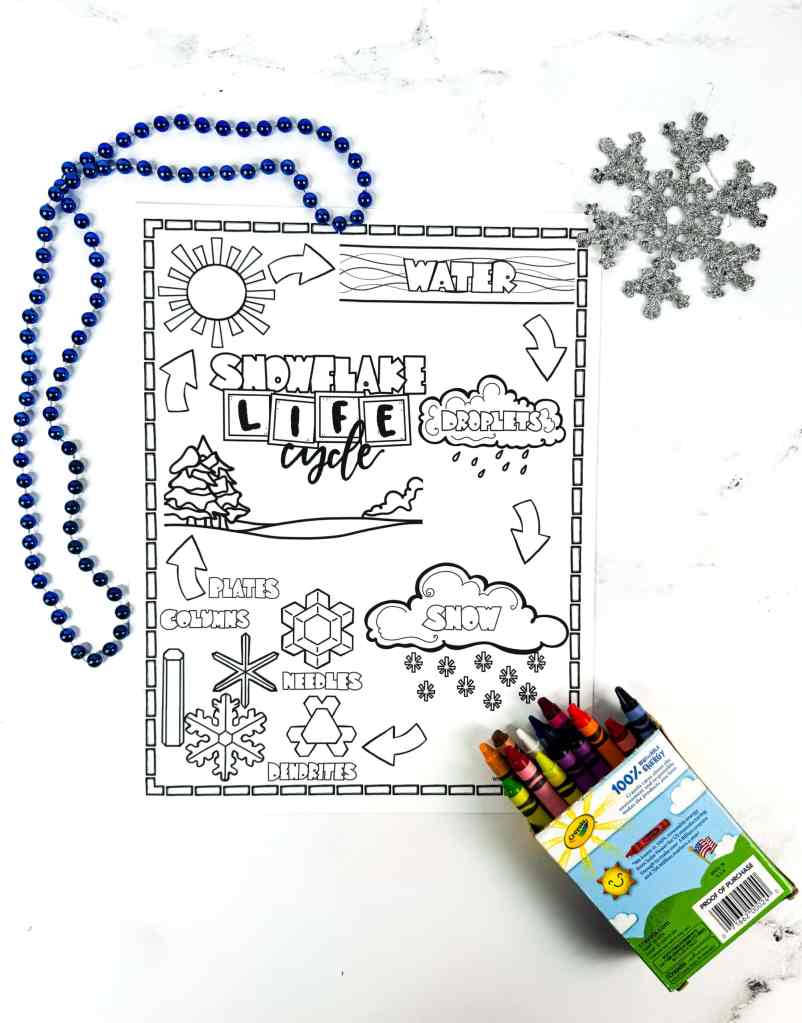
3. Snowflake Life Cycle and Types Printables
Sticking with the snowflake theme (because honestly, what’s more winter than snowflakes?), these free printables from Homeschool of 1 are fantastic!
She’s created activities that explore not only how snowflakes are made – framed as a “life cycle,” which is an interesting way to think about it that I hadn’t heard before – but also the different shapes and types of snowflakes. Because no two are alike, right?
What a beautiful example of the fine-tuning that God has created in our amazing universe!
These printables also work beautifully as reference pictures if you decide to tackle the salt and watercolor snowflake project I mentioned above. Having real snowflake shapes to look at makes the whole process easier and more educational.
Using only things you already have around the house, you’ll put ice cubes to the test.
Spoiler alert: salt wins! (But don’t tell the kids that before they discover it themselves.)
It’s hands-on, it’s engaging, and it sneaks in some real science learning without stress that might even come in handy for your kids someday in their adult lives!
5. DIY Fake Snow
Last but definitely not least, here’s a super fun idea from The Purposeful Nest for making fake snow at home,
This fake snow uses only two ingredients: hair conditioner and baking soda. That’s it!
The crunchy texture is unlocked! Without freezing your hands or getting chemical-laden stuff all over your kitchen or school room.
This is the perfect opportunity to use up that conditioner you bought on a whim because it sounded really luxurious and smelled like Moroccan honey-filled spa paradise, but then turned your hair into an especially static-y bale of hay.
Yet you spent money on it and can’t bear to throw it away, so it’s been sitting under your bathroom sink judging you for six months.
Or am I the only one who does that?
Either way, now it has a purpose! Your kids can mold it, shape it, play with it – all the sensory fun of real snow without the frostbite.
Staying Cozy While Staying In
Winter storms don’t have to mean cabin fever. With a little creativity and some materials you already have at home, you can create magical learning experiences and beautiful art projects that will keep your kids engaged, educated, and entertained—all without ever stepping outside or turning on a screen.
And honestly? There’s something kind of cozy about being Snowed In (or in Texas, more like Sleet-In’d) together, creating and exploring and discovering right there in your own warm home while the wind rattles the windows.
We generally homeschool through the year (see this blog) in order to avoid the slog back up the hill of stopping and then starting again. We find it easier to ease up a bit at different times of the year rather than completely stopping and then starting again.
As strange as that sounds, it is actually easier to do! Like leaving a car engine on idle and running the radio on fun music rather than turning the whole car off and reigniting the engine!
One exception to this is Christmas! At least a week before Christmas, sometimes two, that’s just it… We have too many Christmas parties to go to, too many gifts to wrap (and the schoolroom has become Official Elf Headquarters and is off limits to kids, anyway!), and too many fun things to do! Not that school isn’t fun, but math stops being able to compute when everyone is excited for Santa to come. I see that eyebrow raise – Don’t judge me, lol. We use the idiom of Santa to mean anonymous Christmas giving and always give adults in the family stocking from Santa (meaning gifts from all the family with silly tags), too.
At any rate, there’s always a natural spot in the Christmas getting-ready-days that just calls us to a halt and that’s okay!
It’s Not Just About Christmas: Common Reasons for Homeschool Breaks
There may be another reason besides Christmas you’ve had to stop. Maybe another holiday, a vacation, illness, business travel that you had to bring the kids, or just a general slowdown of the machine that you need to get revvin’ again!
The reason doesn’t matter. What matters is that you took the break you needed, and now you’re wondering how to restart your homeschool routine without feeling like you’re starting from scratch or dragging everyone kicking and screaming back to the table.
Whether you’re restarting homeschool after Christmas, recovering from a family illness, returning from an extended vacation, or simply getting your homeschool momentum back after a busy season, these strategies will help you transition smoothly.
The Homeschool Restart Challenge: Why Getting Back to School Feels So Hard
Let’s talk about why restarting homeschool after a break feels so difficult. During your time off, everyone has:
Gotten used to a different rhythm and routine
Discovered new interests and hobbies
Enjoyed the freedom of unstructured time
Maybe stayed up later and slept in longer
Gotten accustomed to saying “not today” to structured learning
And you, dear homeschool parent, have probably enjoyed not having to have Teacher Mode activated “on” every single day. You’ve had time to read that book, finish those projects, or simply get things done around the house without thinking about lesson plans.
So when it’s time to restart, there’s a natural resistance – from everyone, including you! My goal here is to help getting started again to not only be more fun for your kids but less of a hassle for you, too!
4 Tried and True Ways to Get Homeschool Happening Again
No matter what the reason for your homeschool break, here are four tried and true ways to get Things Happening again!
1. Set a Day (And Let Your Kids Have Input on When to Start)
Ask your kids when they’d like to get started. I’ll bet they actually do want to start up again, mine always have, but may appreciate getting to give their input and also have a little warning on when to start. That can make things run more smoothly!
Don’t just spring it on them the night before. Give at least 3-4 days of mental preparation time. Mark it on the calendar together so everyone can mentally prepare and talk about what they’re looking forward to learning.
This gives everyone a chance to adjust their expectations and wind down any break activities. You might even let them choose which subject they’d like to start with or what time of day feels right to begin.
2. Do Something Fun First! Play IS Serious Learning
You as the parent aren’t necessarily super excited to explain math equations again after the break, either. You get it, too. How about mixing it up with a fun science kit that’s been hiding out in the closet for a few months?
“Play is often talked about as if it were a relief from serious learning. But for children, play is serious learning. Play is really the work of childhood.” -Fred Rogers
This quote from Mr. Rogers himself reminds us of something crucial: when we start homeschool after a break with something playful and hands-on, we’re not “wasting time” or “avoiding real work.” We’re actually engaging in the most natural and effective form of learning for children.
So don’t feel guilty about pulling out those fun science kits or art projects. You’re not procrastinating – you’re teaching! I promise! Starting with play-based learning helps ease everyone back into the homeschool mindset without the pressure and resistance that can come with jumping straight into worksheets and textbooks.
Here are some ideas for fun homeschool restart activities:
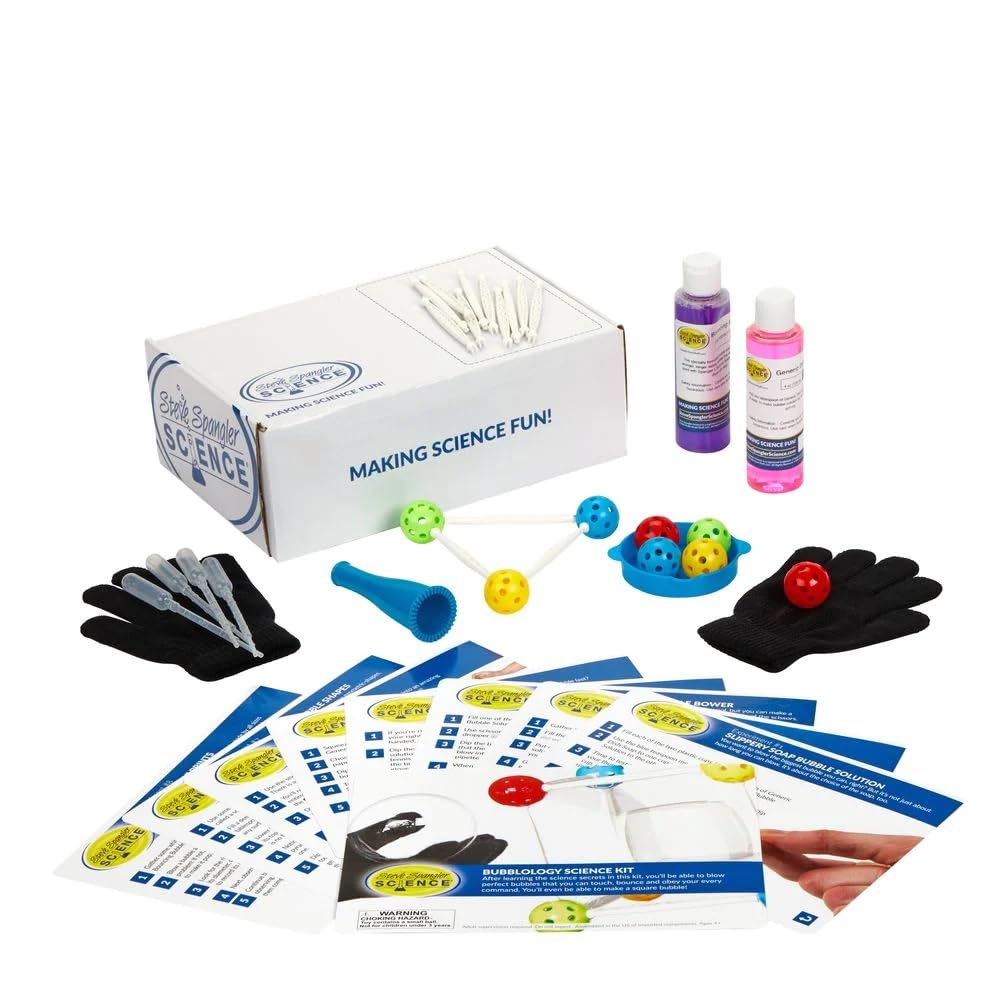
Square Bubble Kit – My kids loved making square bubbles! This naturally leads into discussions about surface tension, geometry, and why bubbles are typically round. It’s hands-on, visual, and gets everyone excited about science again without feeling like “school.”
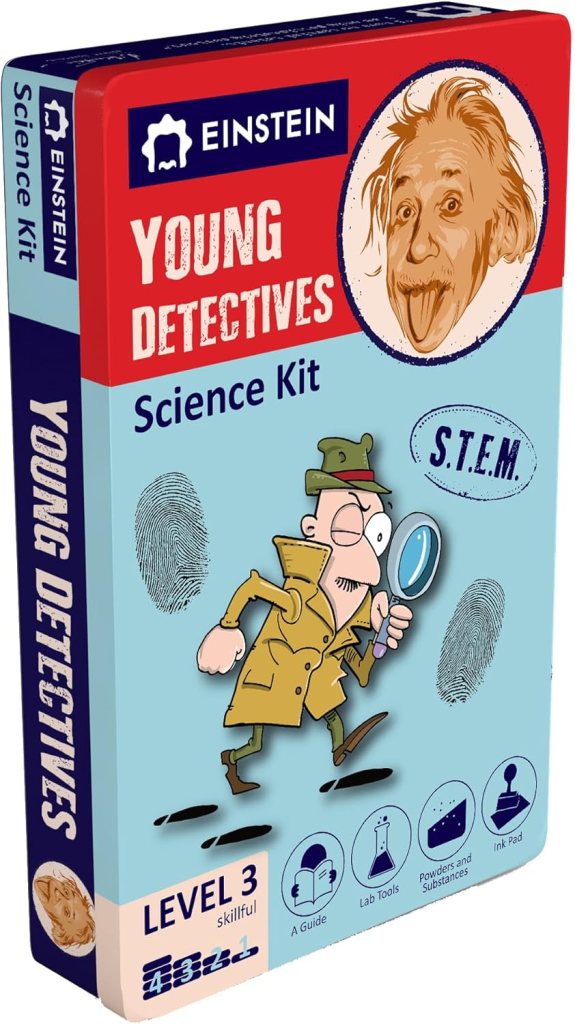
Detective Science Kit – Who wouldn’t want to use a fingerprinting and detective kit for schooltime?! And,it is certainly full of powerful learning opportunities!
This can be added to a unit study of Sherlock stories! Depending on your kids’ ages, Jim Weiss has Sherlock stories for kids on Audible or CD that don’t have anything too scary! Combine the detective kit with the audiobook, and suddenly you have an integrated unit study covering science, literature, logic, and critical thinking – all through play and investigation.
Snap Circuits – Snap Circuit kits never disappoint! We have too many of these but they are all super fun. They’re perfect for visual and kinesthetic learners, and they make electricity and circuits tangible. Even older kids who think they’re “too old” for kits get pulled into building increasingly complex projects. They are as complex or as simple as you want them to be!
Crystal Growing Kits – We did the mermaid kit instead of this hedgehog one but really need one… Magic mermaid crystals in rainbow colors? Yes, please! The patience required to watch crystals grow also teaches delayed gratification and scientific observation skills – serious learning disguised as magical fun.
Other fun first-day-back ideas that embrace playful learning:
Start a new read-aloud book that you’ve been intending to start
Build something together – Legos, Magna-Tiles, or cardboard creations
The goal is to remind everyone that learning is inherently interesting and enjoyable.
Once you’ve rekindled that spark through play and hands-on exploration, transitioning back to regular subjects feels less like a chore and more like a natural continuation of that curiosity.
3. Ease Into It (You Don’t Need to Do Everything on Day One)
Don’t think you have to do every subject with every kid on the day you’ve decided is Back to School Day. Only two subjects but back in the ring again? I’d call that a win!
Here’s your permission slip: You don’t have to do every subject with every kid on your first day back to homeschool.
Seriously. Give yourself grace here when restarting your homeschool routine.
What easing back into homeschool might look like:
Day 1: Just do math and reading – that’s it!
Day 2: Add in one more subject, maybe science.
Day 3: Add another subject like history.
Day 4: Include writing or language arts.
By Day 5: Tada! You’re back to your full homeschool schedule!
Consider starting with favorite subjects first. If your youngest loves science but dreads grammar, start the week with the thing he or she loves. Build positive momentum and enthusiasm before tackling the harder subjects that require more mental energy.
Shorter lessons are perfectly okay too. Maybe you typically do 45-minute homeschool lessons. For the first week back after your break, try 20-30 minutes. Quality over quantity, especially when you’re rebuilding homeschool habits and routines. It’s okay to start slow and get back into the groove.
You are the ruler of this homeschool planet that you’ve created.
You make the rules; if you want rules! No feeling guilty allowed!
Remember: homeschooling is a marathon, not a sprint. The tortoise always wins, and consistency (even imperfect consistency) beats intensity every time. If feel like you’re behind where your goals are for your homeschool, you’re going to catch up if you stick with it.
4. Try Something New (Make This Restart Feel Fresh)
Any Christmas presents that can “present” a new challenge? Did your child receive a new art kit or perhaps a new musical instrument? We got our son a lap harp one year – we got him new sheet music, everything from The Beatles to Beethoven! Explore a new skill and incorporate that into your school day.
New tools and materials can reignite homeschool excitement:
When you add something new to your homeschool routine after a break, it signals to everyone that this isn’t just “back to the same old thing.” It’s a fresh start with new possibilities.
A new art kit can launch an art appreciation unit study
A new musical instrument can become part of your daily homeschool rhythm
A new building set can tie into engineering, architecture, or physics lessons
A new craft kit can connect to history or cultural studies you’re covering
A new board game can teach strategy, math, probability, or history
Explore a new skill together and make it part of your homeschool day. This serves multiple purposes when restarting after a break:
It gives kids something fresh and exciting to look forward to
It counts as legitimate learning (especially if you can tie it to standards you’re covering)
It breaks up the routine in a positive way after time off
It respects their growing interests and autonomy
It creates positive associations with “going back to school”
The key is making your homeschool restart feel dynamic and exciting rather than stagnant and repetitive. When kids have something new to look forward to, the transition back to learning feels less like a chore and more like an adventure.
Additional Tips for a Smooth Homeschool Restart After Your Break
Review and Refresh Before Moving Forward
One mistake I see homeschool parents make after a break is trying to pick up exactly where they left off, as if no time has passed. But brains need a little warm-up after time away from structured learning!
Spend a day or two reviewing what you covered before the break. This serves multiple purposes for restarting homeschool:
It refreshes everyone’s memory and helps prevent frustration
It identifies any gaps in understanding that need addressing
It builds confidence (“Oh yeah, I remember this!” vs “Remember this now!”)
It makes the transition smoother into new material
It helps you assess where each child truly is after the break
Think of it like stretching before exercise. You wouldn’t jump straight into a sprint without warming up your muscles first! The same goes for academic muscles after a homeschool break.
Reset Your Homeschool Environment
If your homeschool space got taken over during the break (hello, Christmas Elf Gift Wrapping Headquarters taking up residence in the school room!), take time to reset it before diving back in.
Create a fresh homeschool environment:
Clear away holiday decorations or break clutter
Restock supplies that ran low before the break
Reorganize materials so everything’s easy to find
Maybe add something new to freshen up the space – new posters, a plant, rearranged furniture
Create a “fresh start” feeling that signals it’s time to get back to learning
A clean, organized homeschool space signals to everyone’s brains that it’s time to get back to business. It also eliminates the frustration of searching for materials or working in a cluttered environment during those crucial first days back.
Adjust Your Homeschool Schedule If Needed
Your pre-break homeschool schedule might not work anymore. Maybe you discovered during the break that your kids are more alert in the afternoon. Maybe your toddler needed a nap at the same time each afternoon. Maybe you realized you were trying to do too many subjects or extracurriculars and need to drop one for now. Or there is an extracurricular no one really liked and you need to stop! No shame in that!
Use the restart as an opportunity to optimize your homeschool routine. Don’t just default back to what you were doing before if it wasn’t working well. This is the perfect time to implement changes you’ve been considering.
Build in Regular Breaks Moving Forward
One reason breaks are so hard when homeschooling is that we make them too rare and then try to cram too much into our “on” times. Consider building smaller, regular breaks into your homeschool year:
A long weekend every month for family time
Light weeks around holidays to reduce stress
Simplified homeschool schedules during particularly busy seasons
Regular “catch up” or “free exploration” days built into your routine
Seasonal breaks that give everyone time to recharge
This prevents burnout and makes major breaks less disruptive because you’re already practicing the skill of stopping and starting. Your homeschool becomes more sustainable long-term.
When Restarting Homeschool Feels Impossible
Sometimes the resistance to restarting homeschool is more than just post-break sluggishness. If you’re experiencing major pushback from your kids or feeling overwhelmed yourself, consider:
Whether your homeschool curriculum is actually a good fit for your family’s learning styles
If you’re trying to do too much and need to simplify
Whether your kids need more autonomy and choice in their learning
If underlying issues (learning challenges, social interaction needs – either too much or too little, family stress) need addressing first
Whether you need to have a bigger conversation about homeschooling goals and approach
If burnout is setting in and you need more support
Don’t hesitate to make bigger changes if something isn’t working. Homeschooling’s greatest strength is its flexibility – use it! Sometimes a homeschool restart is the perfect opportunity to pivot and try something completely different.
The Bottom Line on Restarting Homeschool After a Break
Restarting homeschool after a break doesn’t have to be miserable. With a little planning, some grace for everyone involved, and a willingness to ease back in rather than diving headfirst, you can make the transition smooth and even enjoyable.
Remember the four key strategies:
Set a day with your kids’ input so everyone feels prepared
Do something fun to rebuild enthusiasm – remember, play IS serious learning
Ease into it with reduced schedules or fewer subjects at first
Try something new to keep things fresh and exciting
Most importantly, remember why you chose homeschooling in the first place. You have the freedom to make it work for your family, including taking breaks when you need them and restarting on your own terms. You don’t have to follow anyone else’s timeline or expectations.
Now go forth and restart your homeschool with confidence! You’ve got this. And if the first day back is chaotic? That’s okay too. Tomorrow is a new day, and progress is still progress, no matter how small.
What strategies have helped your family restart homeschool after a break? Share in the comments!
You know that feeling when you’re scrolling through Pinterest, and you see a recipe that screams “EASY!” in all caps? The one with the perfect photo where adorable chocolate pinecones look like they were foraged from a magical forest by Christmas fairies in sparkly outfits? Yeah, I fell for it over the Christmas break.
Our Narnia-themed Christmas dinner needed something special, and these Oreo truffle pinecones seemed like the answer. The recipe looked straightforward: crush Oreos, mix with cream cheese to make truffles, press on Frosted Flakes for “scales,” dip in chocolate.
Easy, right?
Several of the recipe blogs even said the word “easy” multiple times, which should have been my first red flag…
When the Kids Gasped at the Frosted Flakes
I don’t typically ever buy sugary cereals, so when I brought home the Frosted Flakes, my kids actually gasped. This was already feeling like an event. We had our ingredients lined up, our Narnia soundtrack playing, and visions of Pinterest-perfect pinecones dancing in our heads.
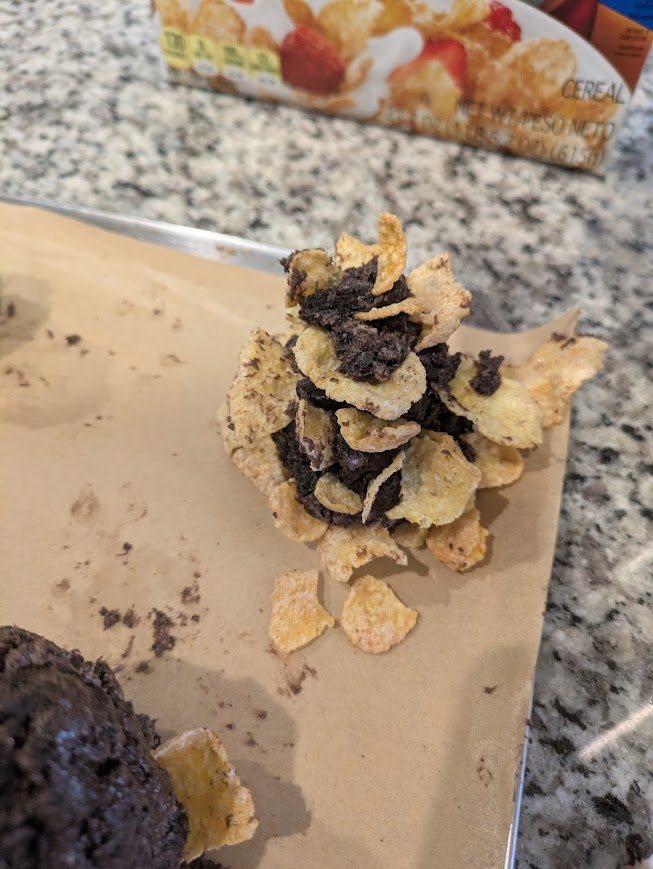
Fast forward thirty minutes: our kitchen looked like page out of a Curious George book and our “pinecones” looked… well, let’s just say they looked more like something you’d find after a squirrel’s particularly chaotic day than something you’d serve at a dinner party.
Nothing would stick! This is one of the “better” ones just to illustrate. Not kidding!
We did get some actual LOLs out of it!
The Pivot Moment
We had planned this whole dinner with Narnia themed things. We’d gotten Turkish delight from actual Turkey. We’d found a Turkish delight hot cocoa recipe and had cleaned pink rose petals from our front flowerbed waiting. We were making Mr. Beaver’s Roasted Trout that I found on another blog, from the familiar scene in the book.
When things like this happen, your kids are watching you. Are you going to let the completely unrescuable recipe ruin your afternoon? Are you going to cry? Whine to yourself? Waste the food?
Instead of being sad, we looked at our chocolate-covered chaos and did something better: we pivoted.
There’s nothing wrong with squished Oreos and cream cheese, right? (Actually these were HEB brand Twisters instead of Oreos – I think they are actually better and don’t have artificial flavors like the “real” ones do.)
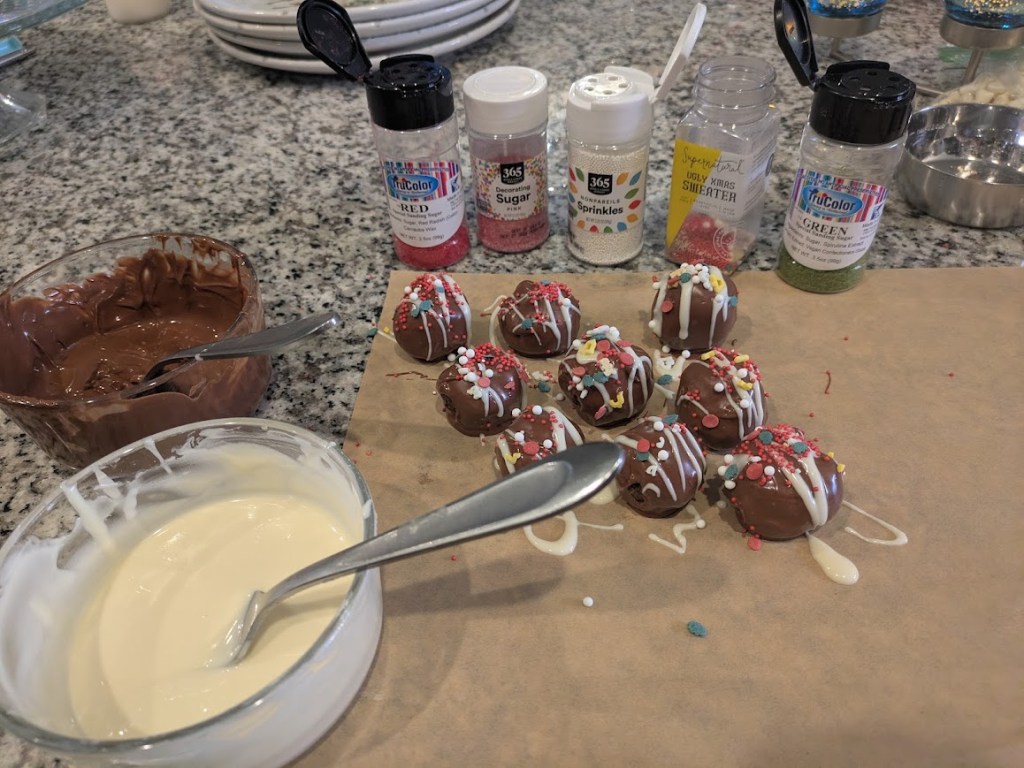
Anyway.. Winning was in sight! We had melted white and milk chocolate. We had sprinkles of all Christmassy kinds!
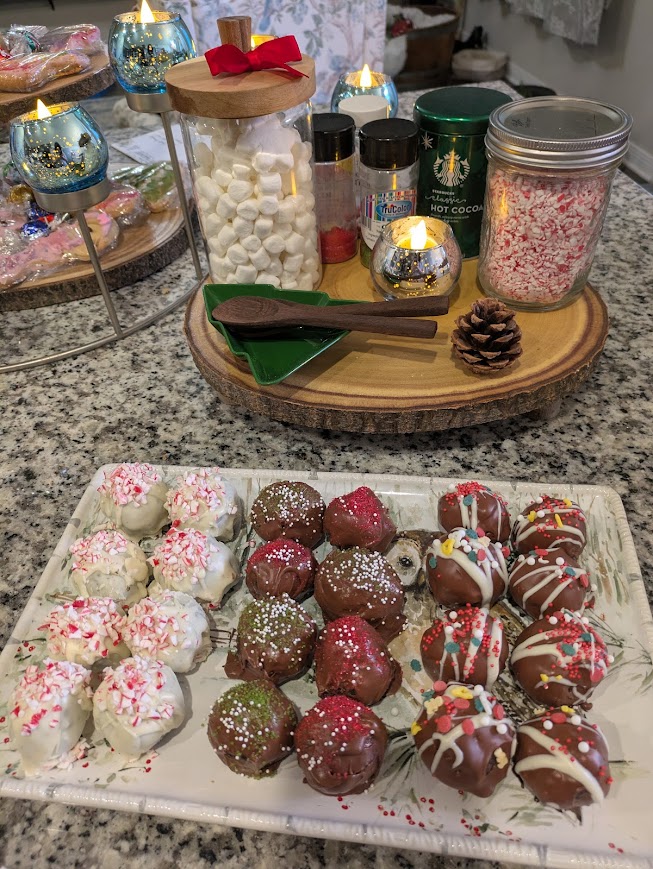
So, we simply scraped off the Frosted Flakes, re-rolled our truffles, added some festive sprinkles, and suddenly we had a dessert that was actually delicious, if not particularly Narnia-esque.
And those Frosted Flakes? Well, the birds in our backyard are going to be having their own Christmas feast, thank you very much. I didn’t want my kids eating processed corn with sugar on it, anyway.
My daughter suggested we make a blog about it so here we are!
What My Kids Actually Learned
This wasn’t just about making dessert – it was about showing my kids that:
Plans don’t always work out, and that’s okay. Sometimes the recipe fudges the truth a little… see what I did there… Sometimes the photo is staged or even AI generated. Sometimes Frosted Flakes just don’t stick to chocolate the way Pinterest promised they would. Albeit on multiple recipe pages!
Failure isn’t the end of the story. It’s just a way to reevaluate. Our pinecones didn’t work, but we still had perfectly good ingredients and a kitchen full of creativity. We also made memories of silliness.
Pivoting is a superpower. The ability to look at a situation, acknowledge it’s not working, and ask “what can we do instead?” is one of the most valuable skills we can teach our kids. It’s not giving up – it’s adapting.
Sometimes the pivot is better than the plan. Our simple sprinkled truffles were actually easier to eat and tasted better than fussy pinecones would have. And watching the birds have Christmas over the Frosted Flakes will become its own entertainment.
The Real Pinterest Win
My kids saw me laugh at the mess, problem-solve on the fly, and turn a fail into something that worked. They learned that being flexible matters more than being perfect. And honestly? That’s a better lesson than any Pinterest-perfect pinecone could ever teach.
So here’s to the Pinterest fails, the kitchen disasters, and all the times when “easy” recipes prove to be anything but. Here’s to teaching our kids that the real magic isn’t in getting it right the first time—it’s in what you do when things go sideways.
And if you need me, I’ll be outside watching very enthusiastic birds enjoying what might be the most expensive bird feed I’ve ever provided.
What’s your best Pinterest fail story? How did you pivot?
















 Homeschool With Joy